Monday brief
The Evolution and History of Afternoon Tea
Tea has been enjoyed in England since the mid-1600s, but the elegant ritual of afternoon tea developed later with its own fascinating history. From aristocratic drawing rooms in the Victorian era to the delicate sandwiches and pastries we enjoy today, this tradition has evolved into a cherished cultural practice. Let’s trace its origins and see how it became so iconic.
Scarlett Blake
Desk note
Brief tip
The full sticky-note brief continues below on the Monday desk.
Board
Desk Notes
Tea has been enjoyed in England since the mid-1600s, but the elegant ritual of afternoon tea developed later with its own fascinating history. From aristocratic drawing rooms in the Victorian era to the delicate sandwiches and pastries we enjoy today, this tradition has evolved into a cherished cultural practice. Let’s trace its origins and see how it became so iconic.
Tea first arrived in England during the 1650s, introduced by Dutch traders importing it from China. One of the earliest documented mentions comes from Thomas Garway, who began selling tea in 1657 at his coffeehouse in Exchange Alley in London. At the time, tea was so unfamiliar that he even published a pamphlet explaining what it was and why people should drink it.
Initially, tea was mainly consumed in coffeehouses by businessmen in the financial district near the Bank of England. However, its popularity surged in 1662 when Catherine of Braganza married Charles II. Bringing her love of tea from Portugal, she introduced it to the royal court, where it quickly became fashionable among the aristocracy. From there, tea spread throughout society, transforming from a luxury novelty into an everyday social drink.
Despite tea’s early popularity, the custom of afternoon tea did not appear until nearly two centuries later. In the early 1800s, upper-class Britons typically ate lunch around midday but didn’t dine again until late evening, often around 9 p.m. This long gap left many feeling hungry by late afternoon.
The solution came from Anna Maria Russell, a close companion of Queen Victoria. Around 1840, she began requesting a light tray of tea, bread, butter, and cakes in the late afternoon to ease her hunger. What started as a personal habit soon became a social ritual. She began inviting friends to join her, turning a simple snack into a fashionable gathering—complete with elegant tableware, conversation, and refined etiquette.
While some historians argue that light afternoon refreshments already existed before her time, the Duchess is widely credited with shaping the structured tradition we recognize today.
Even earlier literary hints suggest the idea of afternoon tea was already taking root. In The Watsons, Jane Austen includes a scene where tea is offered after an outing and before dinner. Though not yet a formal event, it reflects the growing habit of enjoying tea as a mid-afternoon pause.
By the Victorian era, afternoon tea had evolved into a refined social occasion. It became an opportunity for the upper class to display hospitality, etiquette, and wealth through fine china, elegant linens, and carefully prepared food. By the 1880s, it was a highlight of elite social life. Women would dress in elaborate gowns, gloves, and hats to attend tea gatherings in drawing rooms, gardens, or verandas.
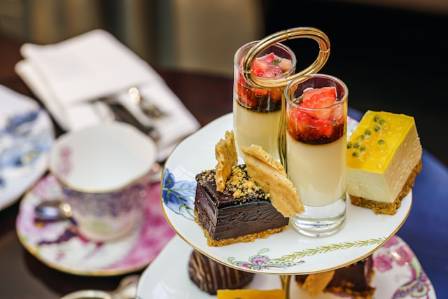
The classic afternoon tea menu from this period remains largely unchanged today. It typically includes three elements: delicate finger sandwiches, warm scones with clotted cream and jam, and an assortment of cakes and pastries. Sandwich fillings often include cucumber, egg mayonnaise, and smoked salmon. Popular teas served alongside these treats include blends such as Earl Grey and Darjeeling.
In the early 20th century, afternoon tea expanded beyond the aristocracy. With industrialisation, increased leisure time, and a growing middle class, tea became more accessible. Tea rooms and cafés opened in cities, offering spaces where people from different backgrounds could gather and socialize.
During the 1920s, tea culture even merged with entertainment, with tea dances featuring live music. However, after World War II, the tradition declined. Changing lifestyles, rationing, and less formal social habits reduced its everyday importance.
In recent years, afternoon tea has experienced a revival. A renewed appreciation for tradition and indulgence has brought it back into popularity. Hotels, restaurants, and tea rooms now offer both classic and modern interpretations, including themed experiences inspired by literature, film, and history.
Today, whether enjoyed in an elegant venue or at home, afternoon tea remains a symbol of relaxation, conversation, and simple pleasure. It shows that even a brief pause in the day—accompanied by tea and a few treats—can be something truly special.
More from this board
NOTE · en

Understanding the Unique Traits of the Roadrunner
Commonly recognized from their legendary appearances in animation, actual roadrunners are far more complex and intriguing than their cartoon counterparts. These birds belong to the cuckoo family, and while they differ significantly from their relatives in appearance, their vocalizations often consist of a distinct "coo" sound. As primarily ground-dwelling birds, they have evolved a lifestyle centered on speed and agility rather than flight.
NOTE · en

The tastiest sweet potatoes in the world
Roasted sweet potatoes are one of my absolute favorite ways to enjoy vegetables. They turn out with a deep orange glow, a naturally creamy bite, and a rich, caramel-like sweetness that makes them hard to resist.
NOTE · en

The Ultimate Mattress Buying Guide: 16 Essential Questions for Better Sleep
Selecting a new mattress is a significant investment that directly impacts your quality of life. Given that you will spend roughly one-third of your time on this surface, finding a balance between support, comfort, and lifestyle compatibility is vital. To navigate the vast market effectively, you must evaluate your specific needs and preferences before making a purchase.
NOTE · en

Essential Facts About the Endangered Grévy's Zebra
The Grévy's zebra is a striking and unique member of the equine family. While many are familiar with their iconic stripes, there is much more to these animals than meets the eye. From their historical royal namesake to their remarkable physical capabilities, understanding these creatures is vital to supporting their continued existence in the wild.
NOTE · en

Top Desert Off-Road Vehicles
For off-road enthusiasts in the UAE or Saudi Arabia, nothing beats the excitement of navigating challenging desert landscapes. From shifting sand dunes to rocky trails, having a capable vehicle is essential to tackle these harsh environments.
NOTE · en

The Most Iconic Mountains by Continent
Mountains have always commanded our imagination—solid sentinels that challenge our limits while offering moments of awe and spiritual reflection. From soaring summits to sheer rock faces, these giants shape landscapes and legends around the world. This piece tours the globe, spotlighting some of the most famous mountains by continent, with a focus on their standout features and heights.