Monday brief
Practical Air Purifier Usage Tips to Breathe Cleaner Air
Fresh, clean air plays an important role in maintaining good health. Since people spend a significant amount of time indoors, keeping indoor air free from dust, allergens, odors, and harmful particles is essential. An air purifier is designed to improve indoor air quality by filtering polluted air and removing unwanted contaminants.
Max Holden
Desk note
Brief tip
The full sticky-note brief continues below on the Monday desk.
Board
Desk Notes
Fresh, clean air plays an important role in maintaining good health. Since people spend a significant amount of time indoors, keeping indoor air free from dust, allergens, odors, and harmful particles is essential. An air purifier is designed to improve indoor air quality by filtering polluted air and removing unwanted contaminants.
Many users have questions about the best way to use an air purifier, such as whether it can operate with open windows, whether it can replace a fan, and how to maintain it properly. This guide provides practical air purifier tips to help you maximize performance and create a healthier living environment.
Tip 1. Use an Air Purifier Properly When Windows Are Open
Many people wonder whether an air purifier can still work while windows are open. The answer is yes, but there are several factors to consider.
Air purifiers are mainly designed for indoor environments where they continuously circulate room air, capture pollutants, and remove harmful particles. Opening windows can help improve ventilation and remove unpleasant smells, but it may also allow outdoor pollutants to enter.
Research has shown that air purifiers can still reduce fine particles such as PM2.5 when windows are slightly open, depending on the outdoor air conditions. If you choose to open windows, select a purifier suitable for the size of your room. For smaller spaces, keeping windows closed usually allows the purifier to work more efficiently.
To achieve better results, avoid placing the purifier directly beside windows because it may draw in untreated outdoor air. A good approach is to combine regular ventilation with air purification when outdoor air quality is favorable.
Tip 2. Keep Essential Oils Away From Your Air Purifier
Using essential oils together with an air purifier is generally not recommended. Most standard air purifiers, especially models equipped with HEPA filters, are not designed to process oil-based substances.
Essential oils can build up on filters, reduce filtration performance, and potentially damage the device. If you enjoy using fragrances, it is better to use a separate essential oil diffuser and place it away from your air purifier.
You should also avoid poor-quality oils that may release unwanted chemicals into the air. Before using any scented products near your purifier, check the manufacturer’s instructions to ensure compatibility and avoid unnecessary damage.
Tip 3. Combine an Air Purifier With a Fan for Better Air Circulation
An air purifier and a fan serve different purposes. An air purifier focuses on cleaning the air by pulling it through filters, removing particles, and releasing purified air back into the room. Although this process creates some airflow, it is not designed to provide strong cooling like a traditional fan.
A regular fan moves a larger amount of air quickly, creating a cooling breeze. For improved comfort and cleaner air, using both devices together can be an effective solution.
Placing a fan so that it directs air toward the purifier’s intake can help move more polluted air through the filtration system, improving overall purification efficiency.
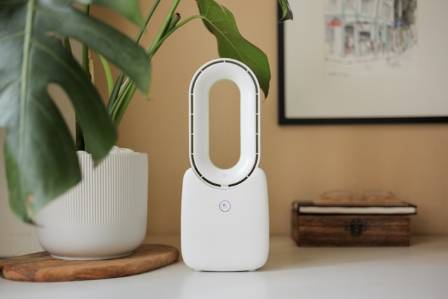
Some advanced air purification devices offer multiple functions, combining purification, air circulation, and fan modes in one unit. Certain models can also provide additional features such as warming air during colder seasons, making them more versatile for year-round use.
Tip 4. Keep Your Air Purifier Running Continuously
Operating an air purifier throughout the day is generally safe and can help maintain stable indoor air quality.
Indoor pollutants such as dust, pet hair, allergens, and volatile organic compounds (VOCs) are constantly introduced into the home. Even when no one is actively using the room, particles can continue accumulating in the air.
Keeping the purifier running continuously allows it to capture pollutants as they appear instead of waiting until air quality becomes poor. This is especially useful when you are away from home because you can return to a cleaner and fresher indoor environment.
Consistent operation is one of the most effective ways to maintain healthier indoor air.
Tip 5. Change Air Purifier Settings Based on Different Needs
Using the same setting all the time may not provide the best results because different activities create different types and amounts of pollutants.
When cooking foods that produce smoke or strong odors, increasing the purifier’s fan speed can help remove airborne particles and smells more quickly. During activities such as deep cleaning, a higher setting can help capture dust and allergens released into the air.
However, continuously running the purifier at maximum speed during periods of high pollen or pollution may not always be necessary. Many modern air purifiers include automatic modes that detect air quality changes and adjust performance accordingly.
Choosing a purifier with multiple operating modes allows the device to respond more effectively to different indoor conditions.
Tip 6. Choose the Right Location for Air Purifiers in Multi-Room Homes
For larger homes with several rooms and only one or two air purifiers, placement is extremely important.
The best location is usually the area where people spend the most time. For example, a bedroom may be the ideal choice during nighttime, while the living room may be better during the day.
Some advanced purifiers include directional airflow technology that can detect movement and send cleaner air toward occupants for improved comfort.
Avoid Blocking the Airflow of Your Air Purifier
Proper placement helps your purifier work efficiently. Avoid putting it in corners or crowded areas because blocked airflow can reduce its performance.
Ideally, keep the purifier several inches away from walls, furniture, curtains, or decorative objects. Open surroundings allow the device to take in polluted air more easily and distribute clean air throughout the room.
Some modern models feature 360-degree air intake systems, allowing them to maintain strong performance even when placed in different areas of a room.
Tip 7. Clean and Maintain Your Air Purifier Regularly
Regular maintenance is essential for keeping an air purifier operating effectively. Over time, dust and debris can collect on different components, reducing performance and shortening the device’s lifespan.
Clean washable pre-filters regularly and remove dust from the outer surface of the purifier.
If the device has air quality sensors, gently clean them with a dry cloth or soft brush. Dust buildup on sensors can cause inaccurate readings and affect automatic adjustments.
Always follow the manufacturer’s maintenance instructions for your specific model, including recommended filter replacement schedules.
Conclusion
Air purifiers are valuable tools for improving indoor air quality by removing dust, allergens, odors, and other airborne pollutants. To achieve the best results, they should be used correctly and maintained regularly.
Although air purifiers are excellent for cleaning air, they are not designed to replace fans or work together with essential oils unless specifically supported by the manufacturer. Proper placement, suitable settings, regular cleaning, and continuous operation can help ensure cleaner and healthier air inside your home.
More from this board
NOTE · en

Best VR headsets
Virtual reality headsets aren’t limited to just gaming adventures. They can bring your photos and videos to life, allow you to explore distant places without leaving your home, and turn movies into fully immersive experiences. Essentially, VR headsets are versatile gadgets that provide entertainment, virtual exploration, and even interactive fitness opportunities.
NOTE · en

Top 10 Off-Road SUVs That Can Conquer Any Terrain
For outdoor enthusiasts who enjoy exploring rugged trails and remote destinations, choosing the right vehicle is essential. SUVs have become a popular choice because they naturally offer advantages such as higher ride height, comfortable cabins, and available all-wheel-drive systems. However, not every SUV is capable of handling serious off-road challenges.
NOTE · en

Baked Mashed Potatoes
This comforting baked potato dish blends creamy mashed potatoes with melted cheeses, herbs, and egg to create a rich, satisfying casserole. It’s an ideal side dish to serve with roasted meats, chicken, or any favorite main course.
NOTE · en
Creating Dimensional Seashell Pattern Artwork
Constructing 3D seashell pattern art is a delightful way to bring the essence of the coast indoors. This project merges the meditative practice of doodle art with the tactile nature of torn-paper collage, resulting in a vibrant beach scene complete with frothy waves and sandy shores. By using a series of diverse shell templates, artists can choose to fill each shape with intricate line work or simple, bold colors, making it an adaptable activity for various skill levels and timeframes.
NOTE · en

Ten Foundational Masterpieces of Historical Oil Painting
Oil painting, with its rich history and versatile nature, has served as the primary medium for many of the Western world's most celebrated artists. These masters not only defined artistic movements but also expanded the technical and expressive possibilities of paint itself. The following ten works represent pivotal moments in art history, each demonstrating a unique approach to the medium that continues to inspire artists today.
NOTE · en
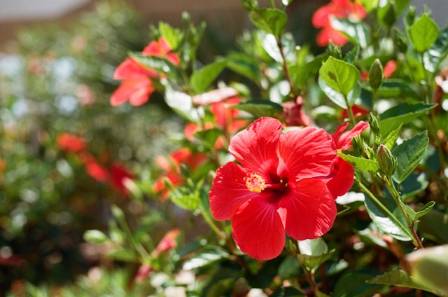
Cultivating Stunning Hibiscus Plants In Containers For Your Outdoor Spac
Many people assume that these vibrant flowering plants only belong in large garden landscapes. However, you can successfully cultivate hibiscus in containers to bring enduring summer color to your sunny patio, wooden deck, or apartment balcony. These versatile botanical specimens encompass herbaceous perennials, woody shrubs, and tender broadleaf evergreens. Gardeners highly value them for their exotic, trumpet-shaped blossoms that flourish from the middle of summer straight into the autumn months. Certain cultivars can produce magnificent flowers measuring up to twelve inches across, instantly adding a bold and tropical atmosphere to any outdoor setting. The most popular types include both cold-hardy and tropical varieties. The Rose of Sharon is a deciduous shrub that survives in colder regions, while the Rose mallow is a herbaceous perennial that retreats to the ground during winter. Tropical types thrive in warmer climates and are highly sensitive to cold temperatures dropping below fifty degrees Fahrenheit. When provided with the appropriate vessel, nutrient-rich earth, ample moisture, and sufficient sunlight, these plants are remarkably easy to maintain. They serve as excellent focal points in areas with limited space.