Monday brief
The Global Success and Biology of the House Sparrow
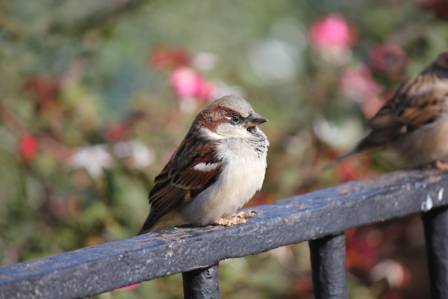
The House Sparrow (Passer domesticus) is one of the most prolific and recognizable songbirds on the planet. Its strategy for survival is remarkably straightforward: it lives wherever humans do. Originally inhabiting Eurasia and northern Africa, this resilient bird has established itself in urban and agricultural landscapes worldwide. Its introduction to North America began in New York City in 1851, and since then, its aggressive and adaptable nature has allowed it to thrive in environments ranging from bustling city sidewalks to isolated farmsteads.
Scarlett Amelia Dawson
Desk note
Brief tip
The full sticky-note brief continues below on the Monday desk.
Board
Desk Notes
The House Sparrow (Passer domesticus) is one of the most prolific and recognizable songbirds on the planet. Its strategy for survival is remarkably straightforward: it lives wherever humans do. Originally inhabiting Eurasia and northern Africa, this resilient bird has established itself in urban and agricultural landscapes worldwide. Its introduction to North America began in New York City in 1851, and since then, its aggressive and adaptable nature has allowed it to thrive in environments ranging from bustling city sidewalks to isolated farmsteads.
Physical Characteristics and Identification
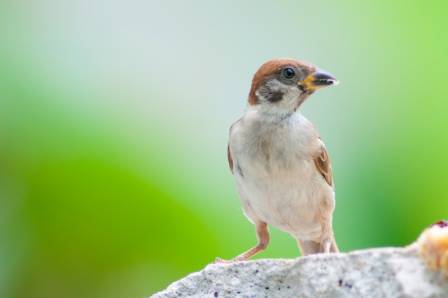
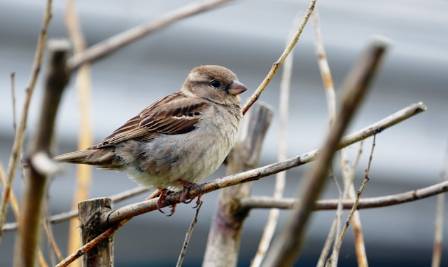
House Sparrows are small perching birds, typically measuring between 13 and 17 centimeters in length. The male is easily distinguished by its bold black bib, white cheeks, and a chestnut-colored nape contrasting with a grey crown. In contrast, the female possesses more subtle beauty, featuring a plain grey chest, a pale buff-colored stripe above the eye, and a back streaked with shades of tan, brown, and black. Juveniles closely resemble adult females, lacking the bold markings of the mature males. Their vocalizations are characterized by a series of shrill, rhythmic chirps and metallic rattles that are common sounds in residential areas.
Behavioral Traits and Habitat Preferences
In North America, the House Sparrow is almost exclusively associated with man-made structures and is rarely found in untouched wilderness. Whether in the heart of a city, a suburban neighborhood, or a lone desert gas station, these birds rely on human-altered environments. They are permanent residents throughout their range, showing no major migratory patterns.
When foraging, House Sparrows primarily hop along the ground searching for food. Their diet consists mostly of seeds, including weed seeds and waste grain, though they are highly opportunistic. In urban areas, they frequently scavenge crumbs left by people or even pick insects off the grills of parked cars. They are also common visitors to backyard bird feeders, where they aggressively compete for a variety of offerings.
Nesting Habits and Reproduction
House Sparrows are social birds that often breed in small colonies. During courtship, the male performs a lively display, hopping near the female with his chest puffed out and tail raised while chirping and bowing. They are highly flexible regarding nesting sites, preferring enclosed niches such as tree cavities, holes in buildings, rain gutters, or birdhouses. In areas where cavities are unavailable, they will build a bulky, globular nest of grass, twigs, and trash directly within tree branches.
A typical brood contains three to six eggs, which are whitish or greenish-grey with darker speckles. Both parents share the duties of incubation—which lasts up to 14 days—and feeding the chicks. Because they can produce two to three broods in a single season, their populations can grow rapidly under favorable conditions.
Conservation Status and Environmental Impact
Globally, the House Sparrow is listed as a species of "Least Concern" by the IUCN, with a staggering estimated population of 740 million individuals. However, their success has sometimes come at a cost to native species. Known for their competitive nature, House Sparrows have been known to evict native birds from their nesting sites.
Interestingly, while they are abundant, their numbers in certain regions have seen a gradual decline from historical peaks. For example, populations in the eastern United States reached their highest levels around the turn of the 20th century and have been slowly decreasing since. Despite these shifts, they remain a dominant fixture of the human landscape, serving as a testament to the ability of wildlife to adapt to a changing, human-dominated world.
More from this board
NOTE · en
Fascinating Meerkat Facts: Insights into These Unique Mammals
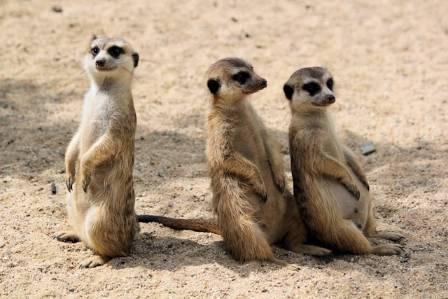
Meerkats are often spotted standing tall on their hind legs, scanning the vast plains of southern Africa with alert eyes. Their playful, seemingly lighthearted behavior might charm you, but don’t let that fool you, these small mammals are among the most aggressive and even murderous species in the animal kingdom. Belonging to the mongoose family, meerkats have a deceptively cute appearance, yet their societies are ruled by dominant females who will go to extreme lengths to hold onto their power over the clan. Below, we’ll explore the many facets of meerkat life, from their physical traits and social structures to their hunting habits, communication, and the challenges they face.
NOTE · en

Roses: Timeless Beauty
Few flowers are as admired and cherished as the rose. With its soft petals, delightful fragrance, and timeless appeal, the rose has long been associated with affection, elegance, and romance. Available in a wide range of colors, forms, and varieties, roses add beauty to gardens, homes, and special events around the world. Whether displaying rich red blooms, gentle pink shades, or cheerful yellow blossoms, roses have a unique ability to brighten any environment and create a sense of sophistication.
NOTE · en
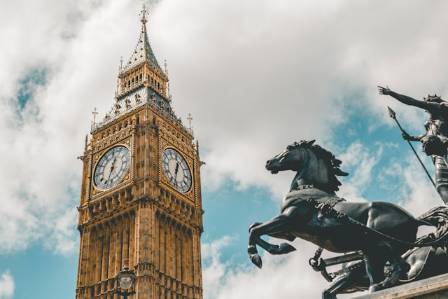
Elizabeth Tower Revealed: Fascinating Facts About Big Ben
Standing as one of London’s most recognizable landmarks, Elizabeth Tower, commonly referred to as Big Ben, is more than just a clock; it is a symbol of British heritage, endurance, and architectural achievement. Its presence on the banks of the River Thames has become synonymous with London itself, appearing in countless films, postcards, and photographs. Yet, despite its familiarity, many intriguing details about the tower and its famous bell remain lesser known. From its historical origins to its unique engineering feats, this guide explores ten fascinating aspects that make Big Ben an enduring marvel.
NOTE · en

The 10 Most Stunning Sculptures of Human Civilization
The deep bond between sculpture and humanity has been evident since ancient Greek and Roman times. Sculptures were frequently crafted to honor various deities or showcase the grandeur of monarchs. They also feature prominently in classical myths, such as the tales of Deucalion and Pyrrha, and Pygmalion.
NOTE · en

A Home That Reflects Artistic Boldness: Inside Jenn Lewis’s Vibrant West Harrison Residence
When mixed media artist Jenn Lewis moved into her new home in West Harrison, she envisioned a lively, welcoming space that could balance family life with her expressive art. With help from interior designer Lynn Biase—her longtime collaborator—that vision came to life in a home filled with energy, color, and personal style. Known for her daring, graffiti-inspired artwork, Lewis brings a fearless creativity into everything she touches. “Jenn embraces bold choices, whether on canvas or in her interiors,” says Biase. With two teenagers and a love for hosting friends and family, Lewis wanted a home that was both functional and dynamic—a place where art and everyday living could coexist naturally.
NOTE · en
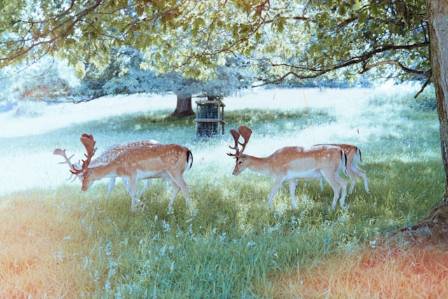
Leading Wildlife and Animal Artists
Wildlife and animal art encompasses a vast spectrum of techniques and perspectives, ranging from whimsical character studies to breathtakingly realistic portrayals. Creating art centered on the natural world often stems from a deep-seated affection for the subjects, resulting in works that capture the true essence of the animal kingdom. Whether it is the vibrant playfulness of a stylized portrait or the meticulous precision of a hyper-realistic drawing, the genre continues to captivate collectors globally.