Monday brief
Cruising with a Smaller Boat
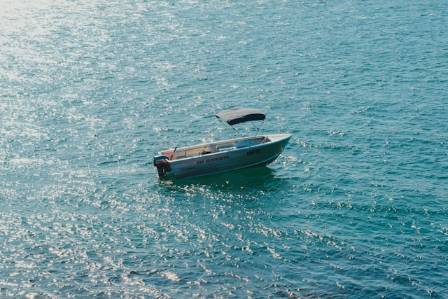
She is small, but she is incredibly strong. I have to remind myself of that constantly. It is easy to forget when you are alone hundreds of miles from land, with waves breaking over the deck and seawater washing across the boat.
Alistair Monroe
Desk note
Brief tip
The full sticky-note brief continues below on the Monday desk.
Board
Desk Notes
She is small, but she is incredibly strong. I have to remind myself of that constantly. It is easy to forget when you are alone hundreds of miles from land, with waves breaking over the deck and seawater washing across the boat.
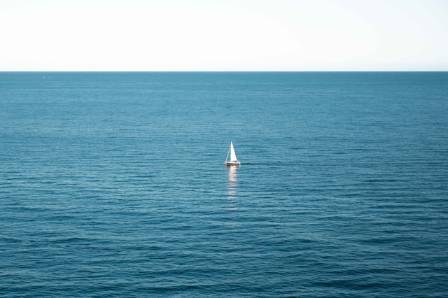
My solo voyage from Fiji to Australia aboard a 26-foot Contessa named Crazy Love was not something I originally intended to do. In reality, very little about my journey has followed a traditional plan. Yet somehow, that is exactly where I ended up.
I originally departed from Los Angeles on a 31-foot Hunter sailboat, expecting to spend a few months cruising around Mexico. Instead, more than two years passed, and I found myself sailing a completely different boat on the other side of the Pacific. The only thing that remained unchanged was the enormous ocean stretching between continents.
After reaching Tonga, I eventually sold the Hunter after accepting what many cruising friends had told me: boats designed mainly for coastal cruising are not always suited for demanding long-distance ocean passages.
Luckily, I had met a group of sailors in Pago Pago, American Samoa, the previous year. They had arrived from Fanning Island aboard the boat that would soon become my own.
The Boat That Changed Everything
The previous owners of Crazy Love had become well known among sailors in Pago Pago. When they arrived, they needed medical treatment for serious infected sores caused by spending two weeks aboard a boat that was constantly wet. They had barely managed to dry themselves during the entire passage.
I remember using their experience as an argument whenever people questioned my decision to cross the Pacific on the Hunter. At the time, I thought, at least I would never be crazy enough to sail a boat like that across an ocean.Later, I would completely change my mind.
When I returned home during cyclone season, I began reflecting on my journey and thinking about the next sailing season. Although I had prepared the Hunter carefully for offshore cruising, the boat still made uncomfortable noises. The hull occasionally flexed noticeably when the boat dropped into large ocean swells, which made me question whether she was truly designed for serious bluewater sailing.
A few weeks after returning to Tonga, I received a surprising phone call from the owners of Crazy Love. They wanted to know if I was interested in buying her because they had decided to move on to other adventures.At first, I rejected the idea immediately.
Choosing Simplicity Over Comfort
I was eager to return to the water with my Hunter. Compared with Crazy Love, it was far more comfortable and packed with modern equipment.
The Hunter had everything a cruising sailor could want: a watermaker, SSB radio, electronic tank monitors, radar, autopilot, hot water, refrigeration, and countless other upgrades I had installed before leaving Los Angeles.By comparison, Crazy Love was extremely basic. She did not even have enough standing headroom inside.
But after spending more time sailing around Tonga, my perspective began to change.
I knew I could not stay there forever, which meant another ocean crossing was approaching. Then came the afternoon when I found myself sitting beside the expensive watermaker, trying to repair a leaking seal. I did not want to spend my day doing maintenance. There was a beautiful surf break nearby that I wanted to enjoy.
But I could not get there because the dinghy’s outboard motor had also failed.That moment made something clear: I had started serving the boat instead of using the boat.
The whole reason I had chosen this lifestyle was to experience freedom, adventure, and exploration. Instead, I was spending my time repairing complicated systems.Something had gone wrong.
Learning From a Simpler Design
I started thinking more seriously about Crazy Love.Her dinghy did not have an engine, meaning there was nothing mechanical to break. The crew simply rowed everywhere. She had no watermaker either. Her single house battery could barely power the navigation lights, let alone operate complex equipment.
Instead of constantly repairing systems in beautiful places, the sailors aboard Crazy Love spent their time enjoying the destinations they had worked so hard to reach.Then there was the boat itself.
After researching the Contessa 26 design, I discovered its impressive history. The design was based on the famous Swedish Folkboat and became well known after successful solo ocean voyages by sailors such as Tania Aebi and Brian Caldwell.
Although small, the Contessa 26 had earned a strong reputation as a capable offshore cruising boat.The more I learned, the more appealing the idea became.Soon, the simplicity and adventure of sailing such a boat completely replaced my concerns about the previous owners’ difficult passage.
Starting a New Life Aboard Crazy Love
I contacted the owners again, reached an agreement, and soon found myself packing my belongings into only a few duffel bags.I travelled to Fiji aboard a friend’s boat, where my new home was waitingFor two weeks, I worked in a boatyard preparing Crazy Love. I completed routine maintenance, installed new through-hulls, resealed deck fittings to prevent leaks, and added important safety equipment, including AIS.Then I was ready to leave.
The first lesson came while motoring away from the boatyard.Crazy Love carried an 8-horsepower single-cylinder Yanmar diesel engine. For a 26-foot boat weighing about 5,400 pounds, it was seriously underpowered. Fighting against strong winds, I struggled to make even two knots.Looking back, I now understand that my frustration came from carrying over my old Hunter mindset.
Before, when conditions were difficult, I simply started the engine. Now, I rely much more on the wind and allow the boat to sail. The engine is only a backup.A sailboat should sail.Some Contessa owners have even removed their diesel engines completely and replaced them with lightweight outboards. I have considered doing the same.
Becoming a Sailor Again
The greatest change after moving to Crazy Love was that I became a sailor who cruises instead of a cruiser who simply sails.With the Hunter, I often rushed between destinations, visiting as many anchorages as possible and using the engine whenever conditions were inconvenient.
Now, I stay longer in one place. When I move, I wait for good winds and enjoy the journey itself.Sailing has returned to what it once meant for me: an experience to enjoy, not merely a method of reaching somewhere else.Staying longer in each location has also allowed me to build deeper relationships with local communities. I spend less time worrying about future plans and more time enjoying the present.
Instead of repairing unnecessary equipment, I spend my days doing exactly what I came out here to do.Whatever I choose.
The Financial Freedom of a Simple Boat
A simpler boat also makes cruising far more affordable.One major debate I had after buying Crazy Love was whether to install refrigeration. Looking back, it seems unnecessary.
When I calculated the cost of installing a refrigerator and compared it with the price of buying a cold beer in Fiji, the numbers were obvious. I would need to buy an enormous number of cold beers before the refrigerator ever paid for itself.
That calculation did not even include the stress of maintaining the system or finding enough power to operate it.Sometimes simplicity is the better luxury.
Becoming a Better Sailor
Another unexpected advantage of a small boat is that it improves your sailing ability.I no longer feel limited compared with where I could have travelled aboard the Hunter. On Crazy Love, I can sail to many places where I previously would have relied on the engine.
Instead of worrying about oil changes and mechanical problems, I spend more time enjoying the actual act of sailing.Without unnecessary equipment weighing her down, Crazy Love is surprisingly quick and responsive for her size.Her sailing ability became obvious in New Caledonia. While travelling with a group of other cruising boats, everyone wanted to join me for a day of sailing in Prony Bay.
Eventually, five other sailors spent an entire day simply tacking back and forth for fun. I would have welcomed more people, but with six passengers, the cockpit drains began sitting below the waterline.Everyone agreed it was one of the most enjoyable sailing days they had experienced in years.And these were full-time cruisers.
The Challenges of Going Small
Of course, a small boat is not perfect.During my passage toward Australia, there were moments when I wished I had a larger, heavier vessel. Smaller boats move more dramatically in waves, emotions become stronger, and yes, there are days when I get completely soaked.Contessas have even been jokingly described as “submarines with sails.”
However, small boats also have advantages. Problems are easier to identify and repair. The loads on the rig are much lower, and the systems onboard are far less complicated than those found on larger yachts.
Do I feel less safe on Crazy Love than I would on a bigger boat?
Honestly, I cannot say that I do.Sometimes things feel more intimidating because I am only slightly above the surface of the ocean. But I remind myself that this boat was specifically designed for exactly this type of adventure.She was built to handle it.
Finding Happiness in the Journey
The biggest question is whether I am happier now after leaving behind the complexity of my previous boat.
When I think back to my final season on the Hunter, I remember feeling frustrated while slowly fighting my way upwind toward another anchorage. I wondered why I was putting myself through it.
The truth is that I could have changed my approach while staying on the Hunter. The problem was that I was too focused on keeping pace with other sailors and never allowed myself to slow down.
Now I no longer worry about which newly installed device might fail next. I no longer rush toward the next destination.
When sailing alongside other boats, I may leave the harbour first and arrive last. But when I finally reach my destination, my smile and sense of achievement are often the biggest among the entire fleet.
More from this board
NOTE · en

The Secret to Crafting Flawless and Enduring Mochi
This particular method yields a superior mochi that maintains its soft, supple texture for several days without becoming overly dense or excessively tacky. One of its most remarkable features is its resilience; even after being stored in the freezer, the dough regains its signature fluffiness upon thawing. This recipe is the result of a collaborative evolution, combining traditional family techniques with modern efficiency. While the original inspiration came from a close family friend, the process was refined by using plastic wrap for cleaner handling and a microwave technique that reduces the cooking time from nearly an hour to just four minutes without compromising the quality of the dough.
NOTE · en
Purse Styles for Every Occasion
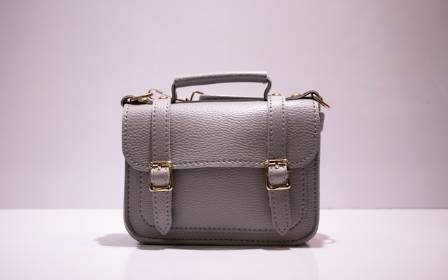
No matter how carefully you put together your wardrobe, the handbag you choose can completely transform your overall appearance. Whether you are heading out for daily errands, attending a professional meeting, or dressing up for a special occasion, the right bag can elevate your outfit and complete your style.
NOTE · en
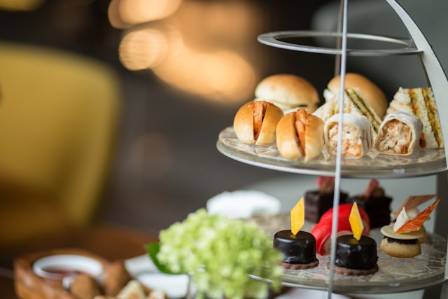
The Art of British Afternoon Tea
The gentle sound of porcelain cups meeting saucers, quiet conversation in the background, and the inviting scent of freshly brewed tea all define the classic British Afternoon Tea experience. Though it feels like an age-old tradition, it is actually a relatively modern custom that has become deeply rooted in British culture.
NOTE · en

Latte Art for Beginners: What It Is & How to Make It
Latte art adds a special touch to coffee and makes every café drink feel more enjoyable. The good news is that you can learn to create beautiful designs at home without professional barista experience. With the right tools and a little practice, anyone can start making latte art.
NOTE · en

Power of Color Blocking in Pop Art
The emergence of Pop Art transformed the art world through its striking colors, dramatic contrasts, and innovative artistic techniques. Among its most recognizable characteristics is color blocking, a visual strategy that simplifies imagery while maximizing impact.
NOTE · en
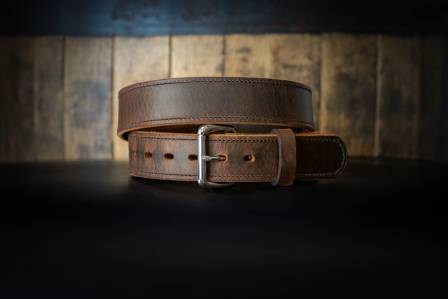
Ideas for Styling One Belt with Multiple Outfits
A belt is more than just a practical accessory that keeps your clothing in place. It can completely change the appearance of an outfit, adding shape, sophistication, and personality within seconds. However, many people find it difficult to style the same belt with different looks.