Monday brief
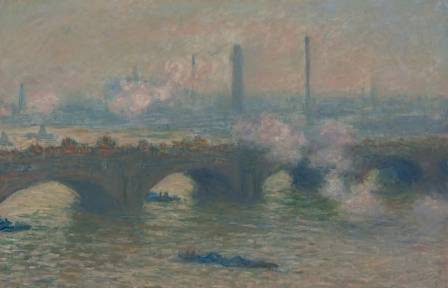
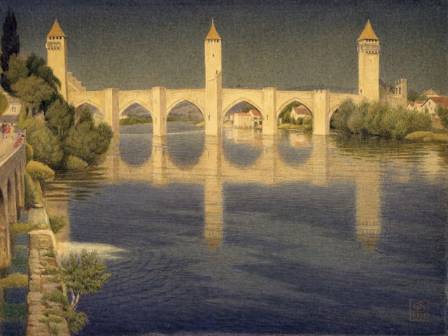
2 Artists Who Feature Bridges in Their Work
For my ongoing project, I’ve been focusing on the landscape of Lacock—a place rich with distinct elements, including Lacock Abbey, winding rivers, shallow fords, the main bridge, a smaller ford bridge, and sprawling vistas dotted with wildlife.
Addison
Desk note
Brief tip
The full sticky-note brief continues below on the Monday desk.
Board
Desk Notes
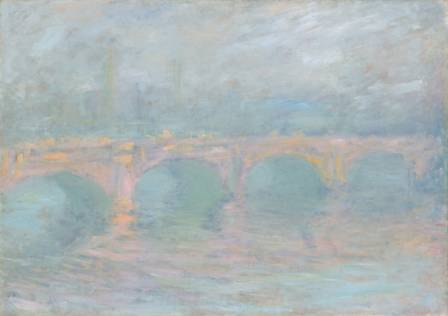
“Bridge over a Pond of Water Lilies” by Claude Monet (1899), Oil on Canvas
“Fall Bridge” by Leonid Afremov
More from this board
NOTE · en
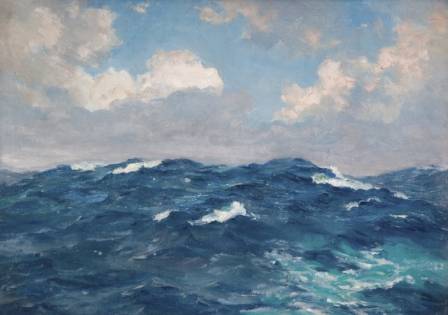
Techniques for Painting Dramatic and Luminous Ocean Waves
Capturing the raw energy of a breaking wave requires a deep understanding of light, motion, and atmosphere. Seascape painting becomes truly compelling when you focus on stormy scenes, where the interplay between dark skies and brilliant water creates a sense of high drama. By mastering the contrast between shadowed water and sunlit crests, you can produce an artwork that feels both powerful and alive.
NOTE · en
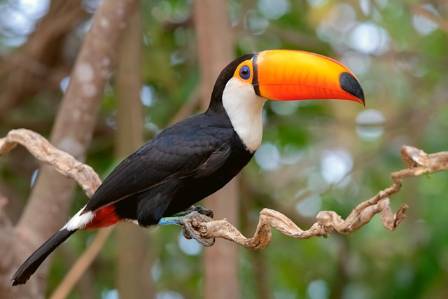
Get to know toucans!
For the first time in more than 30 years, the San Diego Zoo successfully welcomed the arrival of toco toucan chicks. The zoo celebrated the hatching of two young toucans, which later left the nest in July 2017 after spending almost two months growing and developing. Today, the two birds live in the Parker Aviary habitat at the Zoo.
NOTE · en

16 Stunning Thanksgiving Decor Ideas to Impress Your Guests
From bold, extravagant setups to simple and minimalist touches, these decor ideas will elevate your Thanksgiving celebration in 2024. Craft a Seasonal Table Setting The Thanksgiving meal is the heart of the celebration, so why not set the stage with a table that reflects the season? Sarah Kostoris, founder of Sarah K, suggests incorporating pinecones and fall-colored leaves for a rustic, organic touch. Scatter them down the center of the table and add candles of varying heights to create a warm, inviting glow. Jessica Hanley, founder of Piglet In Bed, also recommends showcasing your unique style with vibrant colors or even foraged items from the outdoors.
NOTE · en
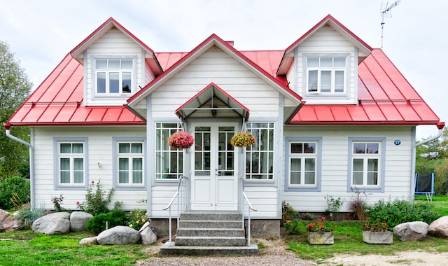
10 Exterior House Colors to Elevate Your Curb Appeal
Revamping your home's exterior with a fresh coat of paint can work wonders in reinventing its character. Moving beyond conventional choices, selecting a modern paint color not only impacts the ambiance but also adds value to your abode, offering a canvas to showcase its historical or regional essence. Here are ten exceptional exterior house colors that promise to enhance your curb appeal.
NOTE · en
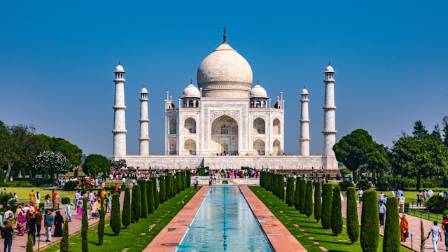
Eight Secrets of the Taj Mahal
For anyone visiting India for the first time, the Taj Mahal is an essential stop. This iconic mausoleum in Agra stands as India’s most celebrated monument and a timeless symbol of love. Commissioned by Mughal Emperor Shah Jahan between 1632 and 1647, it was built in memory of his beloved wife, Mumtaz Mahal, who tragically died during childbirth. Despite its global renown, many aspects of the Taj Mahal’s history remain mysterious. Here are some intriguing insights about this marble masterpiece.
NOTE · en
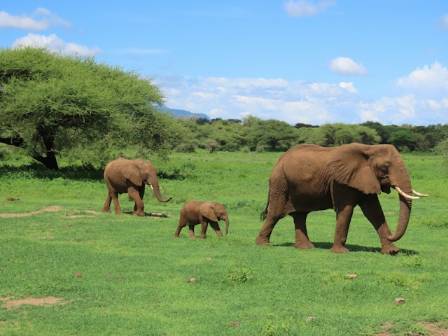
The Giants That Shape Africa’s Ecosystems
African elephants are the largest animals that live on land. They are generally bigger than their Asian relatives and are easily identified by their enormous ears, whose outline is often compared with the shape of the African continent. Asian elephants, by contrast, have ears that are smaller and more rounded.