Monday brief
The Longest Breakwater in Europe
Located at the northwestern edge of Holy Island in Anglesey, Wales, Holyhead Breakwater is one of the most remarkable maritime structures in Europe. This historic 150-year-old construction stretches approximately 1.5 miles (2.4 kilometers) from Holyhead Harbour into the Irish Sea, making it the longest breakwater in Europe.
Kieran Shaw
Desk note
Brief tip
The full sticky-note brief continues below on the Monday desk.
Board
Desk Notes
Located at the northwestern edge of Holy Island in Anglesey, Wales, Holyhead Breakwater is one of the most remarkable maritime structures in Europe. This historic 150-year-old construction stretches approximately 1.5 miles (2.4 kilometers) from Holyhead Harbour into the Irish Sea, making it the longest breakwater in Europe.
Beyond its impressive size and engineering history, the breakwater is a popular destination offering visitors opportunities for coastal walks, fishing, sightseeing, and exploring the surrounding natural landscape. Anyone spending time in Holyhead should consider adding this unique landmark to their itinerary.
Before exploring what visitors can experience there, it is worth learning about the fascinating history behind this enormous structure.
The History of Holyhead Breakwater
Construction of Holyhead Breakwater began in 1846 with the goal of creating a protected harbor where ships could find shelter from difficult sea conditions. The project was officially completed and opened on August 19, 1873, by Albert Edward, Prince of Wales.
The long construction period reflected the enormous scale and complexity of the project. Building the breakwater required around 7 million tonnes of stone, involved more than 1,000 workers, and resulted in the deaths of 40 men during the decades of work.
The engineering achievement was remarkable, especially considering the technology available at the time. The outer wall was built using massive limestone blocks, with some individual stones weighing more than 10 tonnes.
Much of the stone used for construction was extracted from nearby Holyhead Mountain. The material was transported using a broad-gauge railway system, which continued operating until the 1980s. Visitors walking along the breakwater today can still find traces of the old railway route.
The former quarry area has since become Holyhead Breakwater Country Park. The park now provides scenic walking trails around Holyhead Mountain, a fishing lake, and a welcoming cafe serving homemade food and refreshments.
In recent years, the breakwater has faced increasing challenges from severe storms and coastal erosion. Storm Arwen and Storm Barra caused damage in 2021, leading to temporary public closures. Later surveys raised concerns about the long-term stability of the structure, with potential foundation failures threatening an important transport connection, as a large percentage of vehicle traffic between Ireland and Wales passes through Holyhead Port.
Things to Do at Holyhead Breakwater
Holyhead Breakwater offers a variety of activities, making it an enjoyable stop while exploring Anglesey. Whether you enjoy walking, fishing, wildlife, or coastal views, the area has something to offer.
Walking Along Holyhead Breakwater
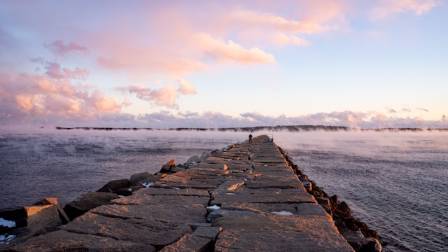
The most popular activity at the breakwater is the chance to walk almost two miles out over the sea. Visitors can choose between two different paths depending on their preferences.
The upper route features large stone paving and a protective outer wall. This path provides excellent views across Holyhead Harbour, passing Stena Line ferries, and the open waters beyond. On clear days, visitors may even spot the Skerries in the distance.
The lower route is wider and made from compacted gravel, offering more space for a relaxed walk. However, it does not have protective barriers along the water’s edge, so visitors with children or dogs should take extra care. This route also provides opportunities to see fish swimming in the harbor waters below.
Discovering Holyhead Breakwater Lighthouse
The Holyhead Breakwater Lighthouse is another highlight worth visiting. Unlike many traditional lighthouses around Anglesey, this structure has an unusual square design rather than the more common circular shape.
Standing three stories tall and rising more than 70 feet above the high-water level, the lighthouse is considered an important example of Victorian engineering. It was likely designed by Victorian civil engineer John Hawkshaw and formed part of a larger national effort to create safe “harbors of refuge” around Britain.
Its distinctive architecture and isolated position make it a memorable feature at the end of the breakwater.
Fishing at Holyhead Breakwater
Holyhead Breakwater is a popular location among fishermen and recreational anglers. The waters around the structure support a wide variety of marine species, making it an attractive fishing destination.
Common catches include cod, whiting, thornback rays, pollock, dogfish, conger eels, bass, wrasse, scorpionfish, mackerel, herring, sand smelt, and gurnard.
Nearby fishing suppliers also make it convenient for visitors who need equipment or bait. Local tackle shops provide fresh and frozen bait for those planning a fishing trip along the breakwater.
Exploring Holyhead Breakwater Country Park
After walking to the lighthouse and back, visitors can extend their trip by exploring the nearby Holyhead Breakwater Country Park.
The park features a small lake where visitors can fish, watch model boats, or relax while observing local wildlife such as moorhens and mallards. The quarry cliffs are also a great location for birdwatching, with peregrine falcons sometimes spotted in the area.
Walking trails lead through the heather-covered landscape of Holyhead Mountain, offering beautiful views and peaceful surroundings. The park’s cafe, Caffi’r Parc, provides a convenient place to enjoy food and drinks after exploring the coastline.
How to Reach Holyhead Breakwater
Holyhead can be reached via the A55 expressway. After entering the town, follow the route toward the ferry terminals. Instead of taking the ferry access ramp, turn left onto Prince of Wales Road, which eventually becomes Beach Road.
When the marina appears on the right, turn left after the small roundabout. This road leads toward Holyhead Breakwater Country Park.
Visitors can park at the country park and follow the coastal path down to the breakwater, or use parking areas closer to the entrance where limited spaces are available.
Best Time to Visit Holyhead Breakwater
The ideal time to visit depends on what kind of experience you are looking for.
Spring and summer are excellent seasons for enjoying a comfortable walk along the breakwater promenade, with longer daylight hours and generally calmer conditions.
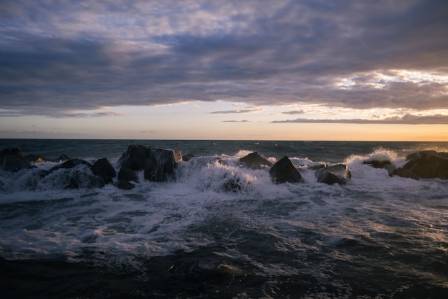
For those hoping to witness dramatic waves crashing against the stone walls, autumn and winter can provide a more powerful coastal experience. However, stormy conditions can occur at any time of year, so visitors should always check local weather conditions before traveling.
The time of day also matters because parking near the breakwater entrance is limited. Arriving early provides the best chance of finding a nearby space, while visiting later in the day can also be quieter once most visitors have left.
More from this board
NOTE · en

The Profound Influence of Technology on Your Everyday Life
In the year 2023, technology permeates nearly every facet of our daily existence, ushering in a multitude of transformations across various domains. From the realms of transport efficiency, food accessibility, and healthcare to socialization, productivity, and the ease of learning, technology has left an indelible imprint on our world. It has not only made knowledge more accessible but has also fostered the organic formation of global communities on the internet.
NOTE · en
Top 7 Things to See and Do at Whitby Abbey
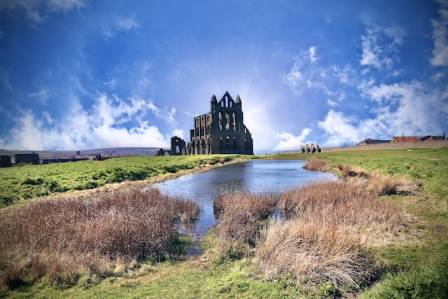
Whitby Abbey, a remarkable 13th-century Gothic site, stands proudly above the town of Whitby, offering both breathtaking views and a rich history to explore. As one of the most iconic landmarks in England, it is known not only for its architectural grandeur but also as a source of inspiration for artists, writers, and poets. Whether you’re a history buff, a family looking for adventure, or someone intrigued by gothic tales, there’s plenty to discover here.
NOTE · en
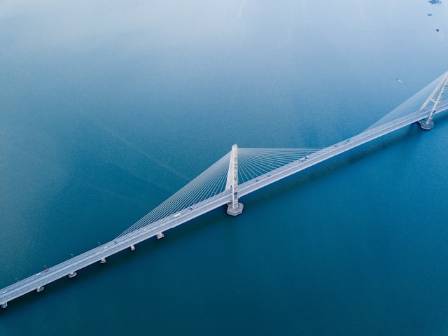
Meet the World's Longest Sea-Crossing Bridge
The world’s longest bridge over open water has been completed, creating a direct connection between mainland China and Hong Kong. Stretching 34 miles (55 kilometers), the massive project cost approximately $20 billion and required nine years of construction. It is designed to dramatically shorten journeys between Hong Kong, Zhuhai and Macao, the three major destinations around the Pearl River Delta, reducing travel time from around three hours to just 30 minutes.
NOTE · en
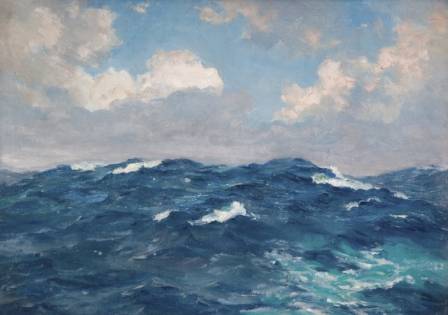
Techniques for Painting Dramatic and Luminous Ocean Waves
Capturing the raw energy of a breaking wave requires a deep understanding of light, motion, and atmosphere. Seascape painting becomes truly compelling when you focus on stormy scenes, where the interplay between dark skies and brilliant water creates a sense of high drama. By mastering the contrast between shadowed water and sunlit crests, you can produce an artwork that feels both powerful and alive.
NOTE · en

What Bibimbap Means and Why It’s Special
Bibimbap is a traditional Korean dish whose name comes from two parts: “bibim,” meaning mixing, and “bap,” meaning rice. The concept is simple but layered—rice is combined with seasoned meat and a variety of vegetables that may be sautéed, blanched, fermented, or pickled.
NOTE · en
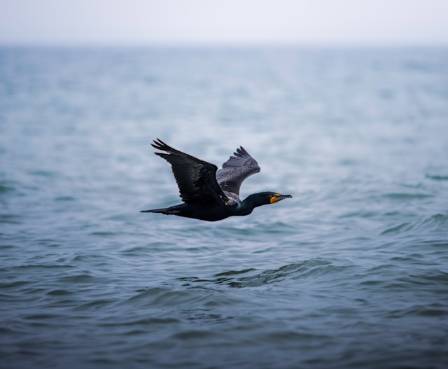
15 Types of Birds That Call the Beach Home
While people head to the shoreline to relax, many bird species migrate to, live by, and depend on coastlines, bays and tidal flats for feeding, resting or nesting. Here are fifteen bird types commonly found along beaches and other coastal habitats.