Monday brief
How Solar Panels Are Changing the Clean Energy World
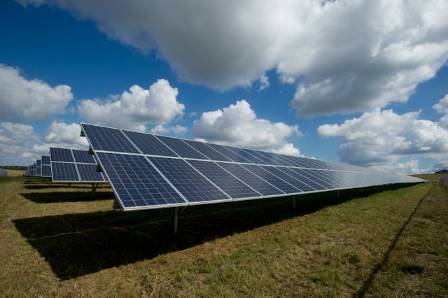
A solar panel is a device that changes sunlight directly into clean electricity. These units use interconnected photovoltaic modules made of specialized semiconductor materials. Sunlight strikes these materials and energizes tiny subatomic particles called electrons. These moving electrons create a steady direct current that powers electrical devices or charges storage batteries. People frequently refer to these units as solar modules or photo electric panels.
Lucy Parker
Desk note
Brief tip
The full sticky-note brief continues below on the Monday desk.
Board
Desk Notes
A solar panel is a device that changes sunlight directly into clean electricity. These units use interconnected photovoltaic modules made of specialized semiconductor materials. Sunlight strikes these materials and energizes tiny subatomic particles called electrons. These moving electrons create a steady direct current that powers electrical devices or charges storage batteries. People frequently refer to these units as solar modules or photo electric panels.
Multiple solar modules link together to form larger power arrays. A complete photovoltaic system includes the panels along with a power inverter. The inverter converts direct current into alternating current for standard electrical grids. Extra equipment like charge managers, meters, and tracking mechanisms help maximize total energy harvest. Most large installations operate in utility solar farms or on residential rooftops.
Solar technology relies on a clean and renewable energy source. It slashes greenhouse gas emissions when compared to traditional fossil fuels. However, performance depends heavily on local sunshine levels and daily weather conditions. The panels require routine surface cleaning and demand substantial upfront investment costs. Despite those challenges, homes and businesses across the globe deploy solar panels widely.
Early History and Rapid Expansion
Scientific exploration of solar energy began back in eighteen thirty nine. French scientist Edmond Becquerel noticed that certain materials generated tiny electrical charges when exposed to light. Early experimental cells were far too weak to power tools. Instead, researchers used them primarily as scientific instruments to measure light intensity.
In eighteen seventy three, British engineer Willoughby Smith discovered that light hitting selenium produced an electrical charge. Shortly afterward, researchers William Grylls Adams and Richard Evans Day published detailed tests confirming those findings. American inventor Charles Fritts built the first commercial solar device in eighteen eighty one. He reported that his device produced a constant current even in weak daylight. However, those early devices could not compete with coal fired power plants.
American scientist Russell Ohl created the foundation for modern silicon solar panels in nineteen thirty nine. Bell Labs used his design in nineteen fifty four to manufacture the first commercially useful silicon cell. Global solar capacity began growing exponentially decades later as manufacturing costs dropped dramatically. Between nineteen ninety two and twenty twenty three, solar energy shifted from a small niche market into a major global electricity source. Lower equipment costs now drive massive adoption across developing nations trying to replace expensive imported fossil fuels.
Structural Design and Assembly
Photovoltaic modules contain numerous solar cells that convert sunlight into electricity through the photovoltaic effect. Manufacturers build most modules using silicon wafers or thin film materials. Strong protective layers shield delicate internal cells from physical impact and moisture damage.
Workers connect individual cells in series to boost system output voltage. They link those series strings in parallel to increase total electric current. Most commercial solar panels feature rigid protective frames, though flexible thin film designs also exist. A specialized junction box sits on the back side of every panel to route electricity safely. Weatherproof plug connectors allow quick and secure hookups to external wiring systems.
Cell Connection Technologies
Engineers continually refine how electrical contacts connect inside a cell. Older designs used full aluminum back layers to collect electric current. Newer passivated contact designs apply specialized polymer films and tiny silver bars to reduce light blockage.
Advanced techniques place all electrical contacts on the rear surface of the cell. Rear contact designs leave the entire front face completely clear to catch every ray of sunlight. High efficiency tandem designs combine multiple chemical layers within a single cell to absorb different light wavelengths.
System Architecture and Smart Arrays
A single solar module generates a limited amount of electric power. Most solar installations connect dozens or hundreds of modules together. The full system includes the panels, power inverters, battery banks, circuit breakers, safety switches, and metering equipment.
Modern smart solar panels feature integrated digital microelectronics built directly into the rear casing. These micro controllers carry out maximum power point tracking across individual panels. They prevent a single shaded section from shutting down the output of an entire module string. Smart sensors also collect real time operating data and identify electrical faults automatically to improve system safety.
Silicon and Thin Film Technology Types
Crystalline silicon cells remain the dominant global technology across the solar industry. Manufacturers build them using either single crystal or multi crystal silicon materials. A small portion of the market relies on thin film layers made from cadmium telluride or silicon compounds.
Bifacial panels feature active photovoltaic materials on both sides. They convert light hitting the front face while simultaneously capturing reflected ambient light on the rear face. These double sided panels perform exceptionally well over light surfaces like snow or bright gravel. Specialized spacecraft use multi junction cells made of advanced compound semiconductors. Those high efficiency solar cells deliver maximum power per kilogram of launch weight.
Thin Film Solar Cells
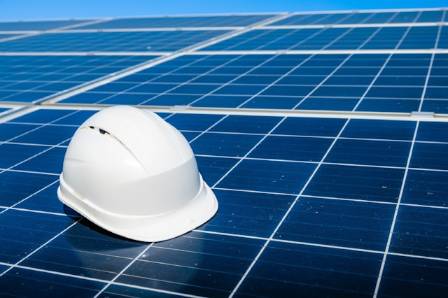
Thin film solar devices represent a distinct branch of solar technology. Workers deposit microscopic layers of light absorbing material onto glass, plastic, or metal sheets. These modules are far thinner and lighter than traditional silicon wafer panels.
Thin film panels offer great physical flexibility. Installers can easily attach them to building windows or curved architectural surfaces. Manufacturing thin film modules requires simpler processes that generate lower carbon emissions during production. High efficiency thin film designs now achieve performance levels that rival standard silicon panels. However, some thin film materials degrade faster under harsh weather conditions over time.
Concentrators and Light Absorption
Concentrator solar systems use specialized optical lenses or mirrors to focus sunlight onto small, high efficiency solar cells. Focusing the light beam allows operators to use expensive materials very efficiently. Concentrating solar setups can push light conversion efficiencies to impressive levels.
The amount of light a panel absorbs depends on the angle and intensity of incoming sunlight. Solar arrays face south in the Northern Hemisphere and north in the Southern Hemisphere. Installers angle the panels based on local geographic latitude to maximize daily energy production. Advanced anti reflective coatings and surface texturing help reduce light reflection off the glass face.
Inverters and Power Optimization
Solar panels require careful electrical management to extract maximum energy. If a system draws too little current, total power output drops. If a system draws too much current, output voltage collapses entirely. Inverters continuously adjust the electrical load to match the optimal power point of the array.
Central inverters manage large strings of panels simultaneously. Alternatively, micro inverters attach directly to individual solar modules on the roof. Micro inverters operate independently so that shade on one panel does not affect adjacent units.
Electrical Wiring and Internal Diodes
Conductors and electrical wires link individual panels together into high voltage strings. Installers wire strings in parallel to reach desired current levels. System designers add inline fuses and safety switches to protect the wiring from overcurrent conditions.
Partial shading creates severe power bottlenecks across series connected panels. Manufacturers include bypass diodes inside the junction box to route electric current around shaded cells. Blocking diodes stop electricity from flowing backward through dark panels at night. Standardized industrial plugs provide weather resistant connections across the entire array.
Energy Conversion Efficiency
Solar cell efficiency measures the percentage of sunlight energy converted into usable electricity. Advanced laboratory prototypes have achieved efficiency records above forty seven percent under concentrated sunlight. High end commercial solar panels routinely achieve conversion efficiencies above twenty four percent.
Several physical factors influence overall cell efficiency. Reflection losses occur when incoming light bounces off the top glass layer. Thermodynamic limits and electrical resistance inside the cell also reduce total energy output. Multi layer cells overcome these limits by splitting incoming light into different colors and processing each wavelength separately.
Weather Impacts and Performance Degradation
Testing facilities rate panel performance under controlled standard conditions. Real operating conditions vary continuously throughout the day based on cloud cover, solar angle, and air temperature. Extremely hot weather actually reduces panel output voltage due to increased internal electrical resistance. Cold winter weather improves electrical conductivity, though shorter daylight hours and snow cover reduce total output.
Solar panels slowly lose output capacity over decades of outdoor exposure. Crystalline silicon panels degrade at a steady rate of under one percent per year. Thin film panels often undergo faster initial degradation during their first few months before settling into a stable rate. High quality panels withstand heavy rain, hail, and extreme temperature cycles for decades.
Mounting Methods and Solar Tracking
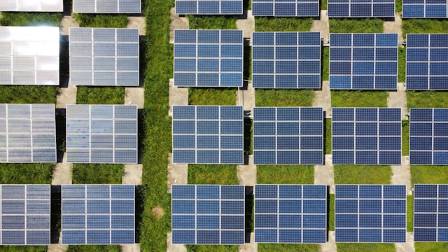
Utility solar power plants mount large panel arrays directly on ground frames. Ground supports include steel poles driven deep into soil, heavy concrete pads, or weighted ballast blocks. Weighted ballast systems protect ground integrity on capped landfills where digging is forbidden.
Vertical double sided solar arrays point east and west rather than south. This vertical layout produces strong power spikes during morning and evening hours when electricity demand peaks. Vertical panels work exceptionally well in high latitude northern regions where the sun stays low on the horizon.
Roof mounted setups use metal racks attached directly to residential or commercial roof structures. Solar canopies elevate panel arrays above outdoor parking lots, patios, and carports. These elevated structures create useful shade for parked cars while generating electricity for nearby charging stations. Lightweight portable solar panels give travelers clean electric power for camping equipment and handheld devices. Automated solar tracking mounts slowly rotate panels throughout the day to track the sun and maximize total energy capture.
More from this board
NOTE · en

Fascinating Facts About Dolphins
Dolphins are truly remarkable creatures. They possess exceptional social skills, intelligence, agility, and playfulness, while also sharing many emotional traits with humans. The diversity among dolphin species is impressive, each one boasting its own distinct personality and attributes.
NOTE · en

Artistic Fabrication: A Comprehensive Guide to Steel Sculpting
While sculpture has been a part of human history for millennia, the technique of creating art through welded steel is a relatively modern innovation, appearing in the early 20th century. Crafting steel sculptures is a rewarding hobby that allows you to transform industrial scrap into beautiful home decor or striking garden features.
NOTE · en

How To Paint A Watercolour Country Cottage
In this tutorial, I’ll guide you step by step in painting a picturesque countryside cottage. I’ll demonstrate how to simplify complex details when working from photos, interpret tonal values, use wet-on-wet techniques, soften edges, and much more. By the end, you’ll see your painting evolve from the initial sketch to a beautiful finished artwork.
NOTE · en

Meet the Animal Park's Fennec Foxes
Fennec foxes are small desert-dwelling animals that are native to the sandy regions of North Africa. With their oversized ears and remarkable adaptations, they are perfectly suited to surviving in some of the harshest environments on Earth.
NOTE · en

Ceramic Creators: Modern Methods and Creative Visions
Clay has served as a cornerstone of artistic creation for millennia, acting as a bridge between ancient utility and modern sculpture.
NOTE · en

Best Strawberry Cake from Scratch
This homemade strawberry cake is made completely from scratch using strawberry puree and strawberry-flavored gelatin, yet it’s simple enough for anyone to bake at home. As a caterer, this recipe has become one of my most treasured desserts because it always receives amazing feedback. I once prepared it for a child’s birthday celebration, and everyone absolutely loved it. Pair it with cream cheese frosting or rich chocolate ganache for an extra special finish.