Monday brief
What are Cell Towers and How Do They Work?
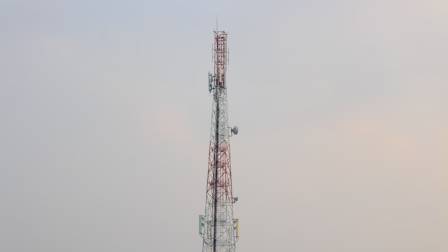
Have you ever thought about how your smartphone can maintain a connection while you travel from one place to another? The answer lies in an extensive network of tall structures known as cell towers. These towers are a fundamental part of modern wireless communication, allowing phones and other mobile devices to send and receive signals over large areas.
Kellan Gray
Desk note
Brief tip
The full sticky-note brief continues below on the Monday desk.
Board
Desk Notes
Have you ever thought about how your smartphone can maintain a connection while you travel from one place to another? The answer lies in an extensive network of tall structures known as cell towers. These towers are a fundamental part of modern wireless communication, allowing phones and other mobile devices to send and receive signals over large areas.
In this guide, we’ll explain how cell towers operate, what equipment they contain, how tall they can be, what they look like, and how far their signals can travel.
How Do Cell Towers Work?
A cell tower, which may also be called a cell site or Base Transceiver Station (BTS), is a facility that provides cellular coverage within a particular area of a wireless network. It contains numerous pieces of equipment, including transceivers, digital signal processors, control systems, primary and backup power supplies, and GPS receivers.
At its most basic level, a cell tower functions as a radio signal transmitter. It sends and receives wireless signals that allow mobile devices to communicate with the cellular network.
The exact operation of each tower can vary. For example, simply being close to a visible tower does not guarantee that your phone will connect to it. The tower may not have equipment operating on the frequencies used by your particular carrier, or its antennas may be oriented toward another part of the surrounding area.
Generally speaking, a cell tower uses electrical power to produce radio signals at specific frequencies. Your phone is designed to communicate within particular frequency bands based on your wireless provider, network technology, and the service you are using. This exchange of radio signals is the foundation of cellular communication.
What Components Are Found on a Cell Tower?
A functioning cell tower involves much more than a tall structure with antennas attached to it. A complete site requires numerous physical, electrical, communication, and safety components.
Base Transceiver Station (BTS)
Physical Site and Structural Space
Heating, Ventilation, or Air Conditioning
Antennas and Other Communications Equipment
Primary Electrical Power
Backup Batteries or Generator Power
Telephone or Data Connections, Often Using Fiber
Electrical and Communication Wiring
Fire Protection Equipment
Engineering and Site Planning
Technical Documentation
Safety Systems and Procedures
Testing and Commissioning
The most important parts of a cell tower are generally its radio equipment, the structure that supports the antennas, and the antennas themselves. The frequencies used at a particular site depend on which wireless carriers operate equipment there.
Reliable electricity is also critical. Towers normally have a primary power source along with backup batteries or another emergency power system. These backups help keep communications functioning when the main electrical supply fails.
Additional equipment is needed to keep the site operating safely and reliably. Cooling systems prevent electronic equipment from overheating, while lightning protection helps protect antennas and other infrastructure from electrical strikes. Fire protection equipment provides another layer of safety.
Maintenance workers also need practical facilities when they visit a site, including lighting and electrical power. Because cell towers are generally expected to remain operational for many years, their design must also allow room for future equipment and additional capacity.
In short, building a cell tower involves considerably more than installing a mast and attaching antennas. It requires significant engineering, equipment, infrastructure, planning, maintenance, and ongoing resources.
How Tall Are Cell Phone Towers?
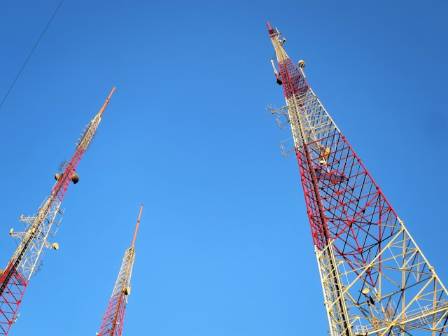
The height of a cell tower can vary greatly depending on the local landscape, the amount of coverage required, and whether the tower is located in an urban or rural environment. Conventional freestanding towers are commonly between about 50 and 400 feet tall.
In rural locations, towers often need to cover a much larger geographic area. As a result, they may reach approximately 150 to 300 feet in height to provide greater signal coverage.
Cities typically have a denser network of towers, so individual structures do not always need to be as tall. Urban towers may commonly range from around 50 to 200 feet and are often used to improve coverage between existing sites.
The Federal Aviation Administration has safety requirements for tall structures. Structures above 200 feet generally require lighting or other forms of marking to make them visible to aircraft. This is why particularly tall cell towers may have flashing warning lights, while shorter structures may not.
What Do Cell Towers Look Like?
Most cell towers are built using either a steel lattice framework or a large steel pole. A common design consists of a tall vertical mast with several antenna panels installed toward the upper portion of the structure.
The antenna arrays may be arranged in triangular or square configurations, with multiple sections aimed in different directions. This arrangement allows the tower to provide coverage across different portions of the surrounding area.
Not every cell tower looks like an obvious communications structure, however. Some installations are designed to blend into their surroundings through camouflage.
For example, antennas can be concealed within structures made to resemble pine trees, palm trees, water towers, dead tree trunks, or even flagpoles. Although these installations can look surprisingly natural from a distance, antennas or other equipment can often be identified when you examine the structure more closely.
How Far Can Cell Towers Reach?
The coverage distance of a cell tower, often described as its cell radius, depends on numerous environmental and technical conditions.
Under typical circumstances, a cell tower may provide usable coverage over a distance of up to approximately 25 miles, while radio signals under favorable conditions can potentially travel as far as about 45 miles.
Terrain has a major influence on signal range. A tower positioned in a location with relatively flat, unobstructed surroundings may achieve coverage toward the upper end of its potential range.
Buildings, hills, trees, and other physical obstacles can interfere with radio signals and significantly reduce effective coverage. Urban environments tend to have smaller individual coverage areas because towers are installed much closer together. Their signals overlap, allowing the network to maintain reliable service across densely populated areas while reducing the distance each individual tower needs to cover.
More from this board
NOTE · en

The Evolution of Skateboarding: A Deeper Look into the Sport
Skateboarding, a dynamic sport and recreational activity, involves the art of riding and executing tricks on a skateboard. Skaters find themselves perched atop a flat wooden board, a configuration consisting of a deck, trucks, and wheels, utilizing a unique blend of momentum and footwork to perform awe-inspiring tricks.
NOTE · en

Purse Styles for Every Occasion
No matter how carefully you put together your wardrobe, the handbag you choose can completely transform your overall appearance. Whether you are heading out for daily errands, attending a professional meeting, or dressing up for a special occasion, the right bag can elevate your outfit and complete your style.
NOTE · en
Volcanoes in Washington State: What to Know
A volcano is an opening in Earth’s crust through which magma, rocks, ash, and gases erupt from beneath the ground. Over many eruptions, these materials pile up and form a volcanic mountain.
NOTE · en

The World’s Most Beloved Frozen Delight
As summer temperatures climb, few things bring universal joy like ice cream. Found on nearly every continent, frozen desserts come in many forms—each shaped by local ingredients and traditions. Though often associated with childhood, ice cream transcends age, evoking delight and nostalgia in equal measure. From ancient history to contemporary creations, frozen treats have evolved globally. Historical accounts trace the earliest versions to the time of Alexander the Great, who enjoyed chilled mixtures sweetened with honey. The Roman Emperor Nero is also said to have favored snow infused with fruits and juices. Centuries later, Marco Polo is believed to have returned from Asia with a sherbet-style recipe, paving the way for what would become modern ice cream in Europe. While ice cream as we know it is popular worldwide, nearly every country has a unique take on the chilled indulgence. From Asia to the Americas, here’s how different cultures reimagine this frozen pleasure:
NOTE · en

Best Japanese Yakitori Chicken Recipe
Yakitori, meaning “grilled chicken,” is one of Japan’s most cherished street foods. This dish features bite-sized chicken pieces threaded onto skewers and cooked over hot charcoal. Originally from Japan, yakitori has become a staple in izakayas (Japanese pubs), street food stalls, and specialty yakitori restaurants. Today, it’s enjoyed worldwide, from Asian BBQ eateries to home kitchens seeking an authentic grilled chicken experience.
NOTE · en

Mastering Coastal Scenery: A Guide to Atmospheric Painting
Capturing the essence of a coastal environment requires a focus on lighting effects and the subtle nuances of the atmosphere. This demonstration explores how to depict a seaside vista inspired by the rugged shores of Wellington, New Zealand. The techniques described are versatile and can be applied effectively using either oil or acrylic paints.