
Monday brief
Chrysanthemum care tips
Chrysanthemum is among the most significant cut flowers in the global floral industry. It is highly appreciated for its long vase life, diverse flower shapes, and dependable quality throughout the entire supply chain. Since it is available in every season, Chrysanthemum has become an essential choice for flower growers, distributors, retailers, and florists due to its adaptability and consistent performance.
Sable Morgan
Desk note
Brief tip
The full sticky-note brief continues below on the Monday desk.
Board
Desk Notes
Chrysanthemum is among the most significant cut flowers in the global floral industry. It is highly appreciated for its long vase life, diverse flower shapes, and dependable quality throughout the entire supply chain. Since it is available in every season, Chrysanthemum has become an essential choice for flower growers, distributors, retailers, and florists due to its adaptability and consistent performance.
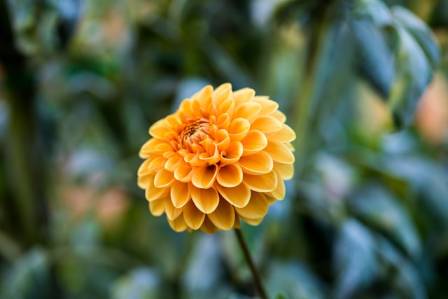
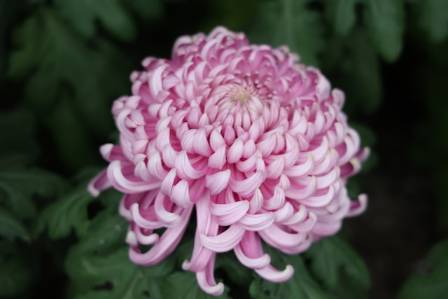
Today’s Chrysanthemum varieties are offered in a broad spectrum of colours, including classic white, bright yellow, warm bronze, orange, soft pink, rich purple, and fresh green. Their flower forms are equally varied, including pompon, decorative, spider, spray, and disbud types. This wide selection allows Chrysanthemums to be used in everything from everyday bouquets and floral arrangements to large-scale decorative displays.
Originally cultivated in China and Japan, Chrysanthemum has a long history of horticultural importance and is now grown commercially around the world. Although the flower naturally has excellent durability, maintaining proper hydration, clean water conditions, and careful handling after harvest is essential for protecting quality and achieving the longest possible vase life.
Challenges: Preserving Hydration and Display Performance
Chrysanthemums are known for their impressive longevity, but their final performance depends greatly on proper care after harvest. Since these flowers are often transported, stored, and displayed for long periods, poor water conditions and bacterial contamination can gradually interfere with water absorption. This may lead to early wilting, weaker stems, and a decline in overall appearance.
The dense structure and numerous petals of Chrysanthemum flowers can also hold moisture when exposed to wet conditions for too long. This creates a higher possibility of Botrytis problems during storage or transportation, especially when environmental conditions are not ideal. Maintaining good airflow, keeping flower heads dry, and controlling storage temperatures are important steps to reduce these risks.
Although Chrysanthemums generally have low sensitivity to ethylene, careful post-harvest procedures, hygienic working environments, and suitable conditioning treatments help preserve their vibrant colours, strong stems, and decorative appeal from harvest through to the final customer.
For Growers
Successful post-harvest care begins immediately after harvesting. Rapid cooling, effective hydration, and appropriate treatments help maintain flower freshness, protect foliage quality, and prepare stems for long-distance transportation and storage.
Recommended product for the grower stage:
Chrysal OVB
This treatment helps preserve the decorative quality of both flowers and leaves while flowers are stored and transported.
Important practices:
Harvest flowers at the correct stage of maturity.
Cool harvested flowers as quickly as possible.
Store flowers at temperatures between 0–2°C (32–36°F).
Avoid allowing flower heads to remain wet during storage.
Follow strict cleanliness procedures during harvesting and processing.
For Wholesale
During wholesale handling, maintaining clean working conditions and continuous hydration is essential for keeping Chrysanthemums fresh and extending their natural vase life. Proper hygiene helps limit bacterial development and supports efficient water absorption.
Recommended product for the wholesale stage:
Chrysal Professional 2
This solution supports hydration and helps maintain cleaner vase water during transportation, storage, and retail preparation.
Important practices:
Use clean containers and prepare fresh treatment solutions.
Keep flowers under proper temperature-controlled conditions.
Check water quality frequently.
Handle stems carefully to prevent physical damage.
For Florists
Chrysanthemums are highly suitable for floral designs and arrangements when they receive proper conditioning before use. Maintaining good hydration and clean display conditions allows the flowers to stay attractive for longer periods.
Recommended product for the florist stage:
Chrysal Professional 3
This treatment encourages healthy flower development and helps extend display quality in retail environments.
Important practices:
Trim stems before placing flowers into solution.
Remove any leaves that would sit below the water surface.
Keep buckets, tools, and containers clean.
Protect flowers from excessive heat, air currents, and strong sunlight.
For Consumers at Home
With suitable care, Chrysanthemums can remain beautiful for two weeks or even longer. Simple maintenance routines and the use of flower food can help preserve their colour, freshness, and overall appearance.
Recommended product for the consumer stage:
Chrysal Universal Flower Food
This product supplies essential nutrients and helps maintain cleaner vase water to support longer-lasting flowers.
Care instructions for consumers:
Place flowers in a clean vase filled with fresh water and Chrysal Universal Flower Food.
Trim around 2–3 cm (about 1 inch) from the stems using clean, sharp scissors or a knife.
Remove leaves that would be submerged in water.
Add fresh water whenever the vase level becomes low.
Keep Chrysanthemums away from direct sunlight, heating sources, strong drafts, and fresh fruit.
More from this board
NOTE · en
The Future of the Robotic Kitchen
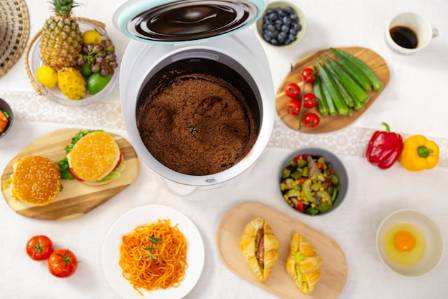
For many people, the kitchen has always been the central place of the home. Today, it is also becoming an important area for technology innovation, with AI-powered appliances and the growing idea of robotic kitchens changing the way people prepare meals.
NOTE · en

Reimagining Space in Contemporary Design: Functions, Categories, and Effects
In contemporary design, the concept of space is integral, influencing not only the aesthetic appeal but also the functionality and emotional resonance of environments. Designers meticulously craft spaces to evoke specific moods, facilitate particular behaviors, and enhance user experiences. This exploration delves into the various types of spaces in modern design, examining their roles, characteristics, and the profound impact they have on both individuals and communities.
NOTE · en

Soar with Ease: A Beginners Guide to Paragliding
Have you ever dreamed of gliding effortlessly above mountains, valleys, and coastlines while enjoying breathtaking views from the sky? Paragliding offers exactly that—an exciting adventure that combines freedom, exploration, and the thrill of flight.
NOTE · en

Why Glass Remains the Premier Choice for Contemporary Skyscrapers
Glass facades aren't merely a matter of aesthetics in modern construction; they bring a wealth of advantages to both companies and employees.
NOTE · en

A Comprehensive Guide to Selecting the Perfect Floor Lamp
Floor lamps are among the most adaptable lighting fixtures available. Depending on your specific design choices and the model you select, they can provide a soft atmospheric glow, concentrated light for detailed tasks, or a dramatic visual accent. However, the sheer variety of styles and features can make the selection process feel complex. This guide simplifies the decision-making process to help you find a lighting solution that enhances both the utility and the atmosphere of your home.
NOTE · en

The Evolution of Automation: A History of Robotics from 300 B.C. to 1969
The term "robot" is often associated with modern computing, yet its mechanical foundations stretch back millennia. While contemporary definitions describe a robot as a machine capable of executing complex, automated actions—specifically those managed by a computer—the history of such devices predates the digital age. The word itself was popularized by Karel Čapek in his 1920 play R.U.R. (Rossum’s Universal Robots), replacing the older term "automata." Interestingly, it was not until the 1970s that "robot" definitively surpassed "automaton" in common linguistic usage.